Short answer: yes, if the part is mainly plastic, roughly between 20 mm and 25 cm in size, and does not carry a safety-critical load. Knobs, clips, covers, brackets, battery doors, caps and spacers are perfect candidates. Use the checklist below to know in two minutes.
The two-minute checklist
- Is the original plastic? Printing replaces plastic well. Metal parts under real force usually stay metal.
- Is it between 20 mm and 25 cm? Smaller parts lose their detail, and our print area is 256 mm on each side.
- Would a failure hurt someone? Brake, steering, gas, child-seat or load-lifting parts should come from the manufacturer, not a 3D printer.
- Does it get hot, wet or sit in the sun? That decides the material (see our PLA vs PETG vs ASA guide), not whether it can be printed.
- Do you have the pieces or a clear photo? Even a broken part tells us most of what we need.
Parts that print well
- Appliance knobs, buttons and feet
- Battery covers for remotes and toys
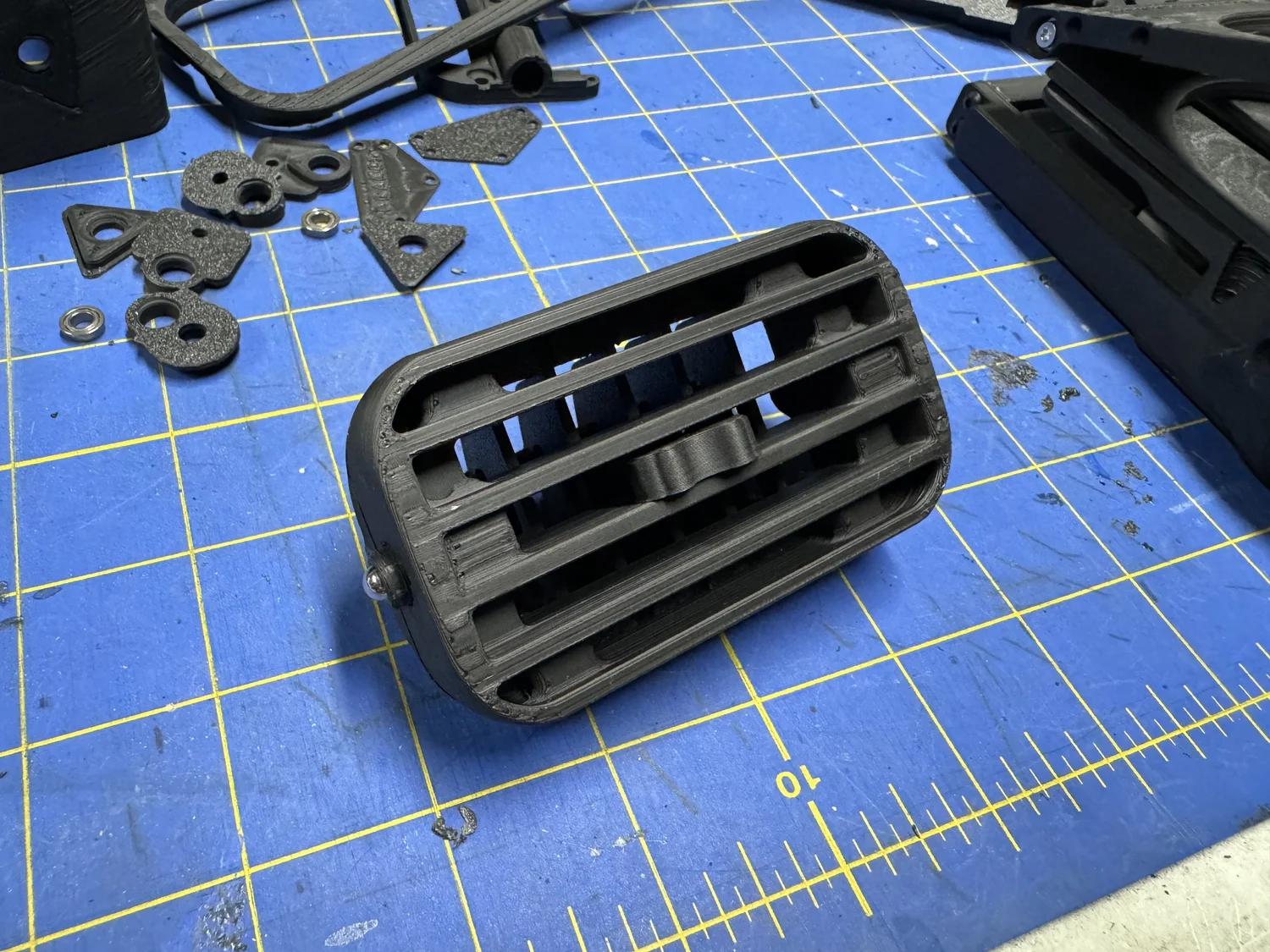
- Caravan and motorhome clips, catches, vent covers and blind parts
- Shelf supports, furniture caps and spacers
- Garden hose and tool holders
- Covers and enclosures for electronics
Three ways to get the part made
- Find a ready model. Search the part number plus “STL” on Printables or Thingiverse. Many common spares already exist. Check that the licence allows printing.
- Upload it to us. You see the price straight away, choose a colour and pay. No account needed.
- No model? Send photos next to a ruler and the key measurements. We design it and quote within 24 hours.
Will it be as strong as the original?
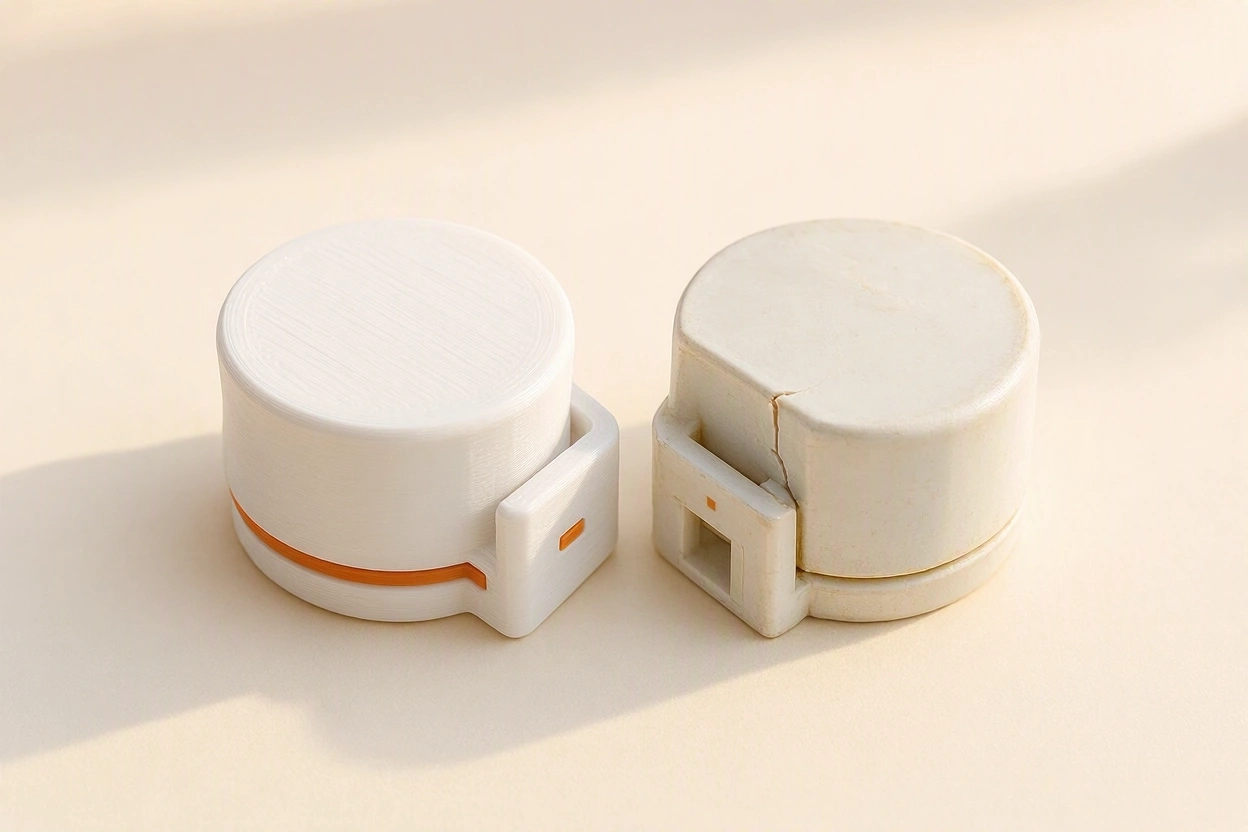
Often stronger, because we can thicken the part where the original cracked. Printed parts are layered, so they are strongest along the layers. When we design or check a replacement we turn it so the load runs the strong way.
Questions
How accurate is the fit?
Typically within about 0.2–0.3 mm. For snap fits and holes for screws we add a small allowance. Tell us how the part fits and we will set the allowance for you.
How much does a replacement part cost?
Most small spares are £8–£15 from an existing file. Design from a photo adds design time, usually £25–40 per hour, and simple parts take well under an hour.
Example
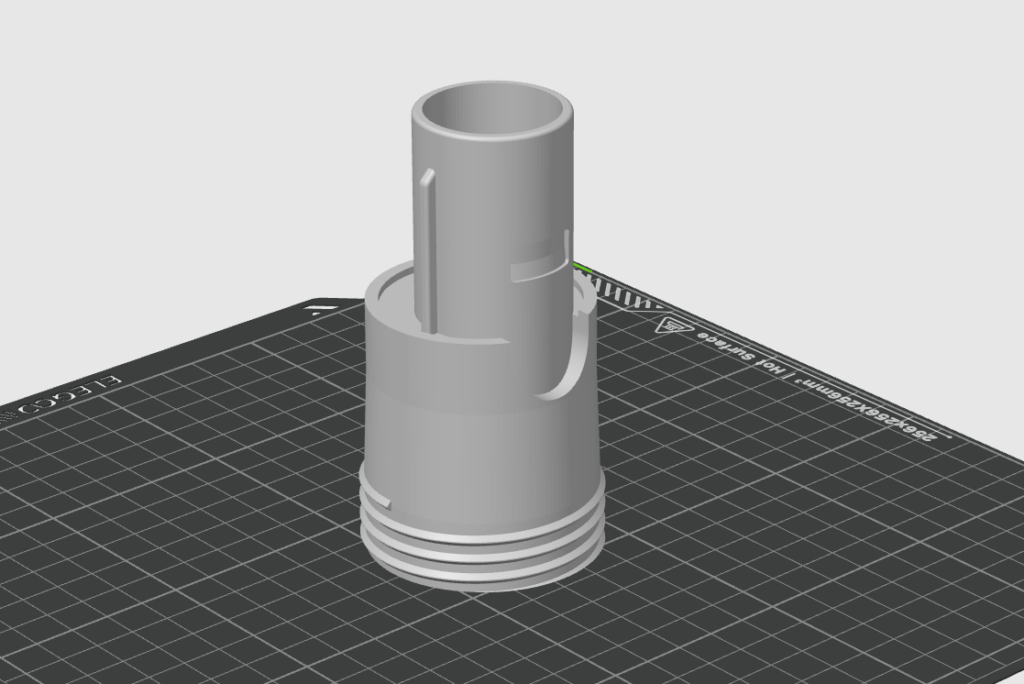
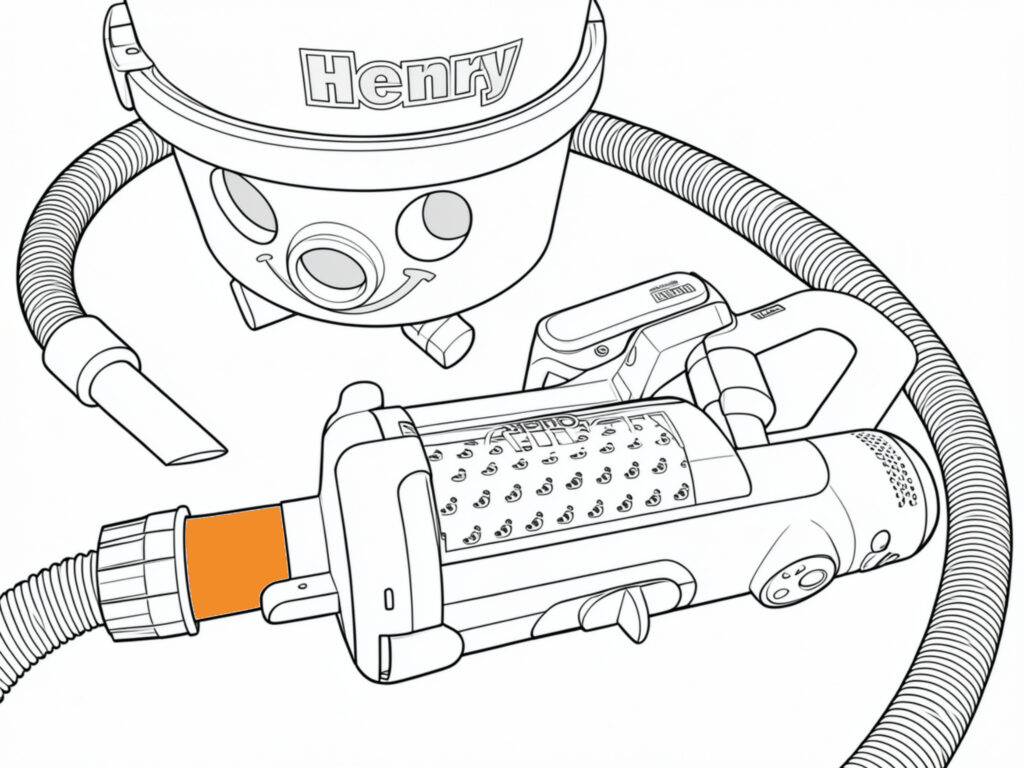
Henry Quick Vaccum Hose Adapter
This adapter is designed to connect a traditional Henry vacuum cleaner hose to the newer Henry Quick system, allowing users to reuse existing accessories and attachments without the need for additional adapters or modifications.
The adapter provides a secure and reliable connection between both systems, making it a practical solution for anyone upgrading to a Henry Quick vacuum while still wanting to use their existing Henry equipment.
The part is extremely durable and robust, designed to withstand the mechanical stress of frequent attachment changes and everyday vacuuming tasks.
It is 3D printed from PETG (Polyethylene Terephthalate Glycol), a material known for its excellent strength, impact resistance, and durability. PETG also offers good layer adhesion and higher heat resistance than PLA, making it well suited for functional parts and long-term use.
Creator https://makerworld.com/en/models/907850-henry-quick-vacuum-hose-adapter#profileId-876810
| Material | PETG (Indoor & Outdoor) |
| Printing time | ~ 1 hour |
| Weight | 47g |
| Unit Price | £10.70 |